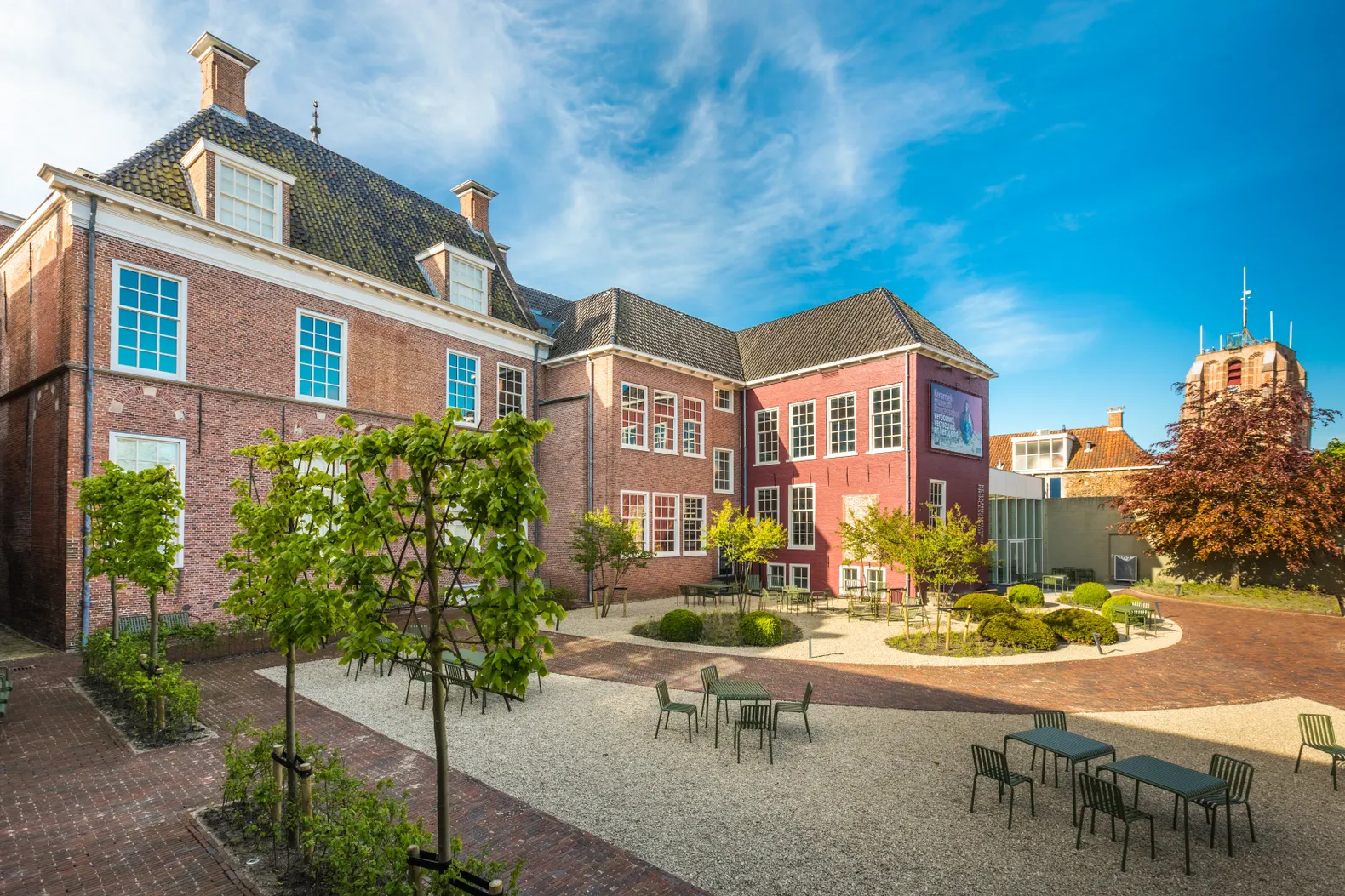
In Leeuwarden, history, culture, and art often go hand in hand. Here, in the heart of our charming city, for example, the story of one of the most intriguing artists of the 20th century began: MC Escher. On June 17, 1898, Maurits Cornelis Escher (nickname: Mauk) was born in the historic Princessehof in Leeuwarden. This beautiful city palace, now a ceramics museum, was the young Escher's first home. Although he spent only five years in Leeuwarden, the city left a lasting impression on him. Leeuwarden, with its rich culture and history, formed an inspiring backdrop for his early childhood.
The Netherlands
Escher grew up in a well-to-do family. His father was a prominent civil engineer and his mother had an artistic background. This combination of technical precision and creative flair would later become visible in his work. After their move to Arnhem, Escher developed a passion for drawing, despite his difficult school career.
His artistic talent blossomed during his studies at the School of Architecture and Decorative Arts in Haarlem. Here he met his teacher Samuel Jessurun de Mesquita, who had a profound influence on him. De Mesquita taught Escher the intricacies of graphic art, which led to his love for woodcuts and lithographs.
Abroad
In the 20s, Escher embarked on a series of travels through Italy and Spain, where he became fascinated by Moorish art and architecture. The complex mosaics of the Alhambra and the Mezquita in Córdoba, in particular, left an indelible impression. These travels inspired him to create his characteristic tessellations and optical illusions.
Escher settled in Rome in 1923, where he married Jetta Umiker. The couple had three sons and enjoyed the Italian landscape, which often served as the subject for his prints. During this period, he developed his unique style, playing with perspectives and impossible constructions.
Political instability in Europe forced the Escher family to move to Switzerland, Belgium, and eventually back to the Netherlands in the 30s and 40s. Despite these wanderings, Escher continued to work tirelessly on his art. During this period, some of his most iconic works were created, such as Relativity and Day and Night. His art, full of mathematical precision and visual magic, attracted the attention of mathematicians and art lovers around the world.
Maurits Cornelis Escher was not only a master of his craft, but also a thoughtful and introspective man. He spent much time in his studio and had a deep interest in music, nature, and science. His correspondence with mathematicians testifies to his curiosity and intellectual depth, even though he never considered himself a mathematician.
And back again
In the 50s and 60s, Escher's international fame grew. His work was exhibited in leading museums and galleries all over the world. Escher's fascinating images, which blur the boundaries between reality and illusion, resonated with a wide audience.
Even today, his work remains immensely popular. The graphic precision and rhythm of his work are a major source of inspiration for many artists, and his work continues to attract many interested visitors. The largest collection of his work can currently be found in The Hague, at the Escher in het Paleis museum. In 2018, Escher was on Tour, a major exhibition of his work at the Fries Museum.
You can't always get what you want
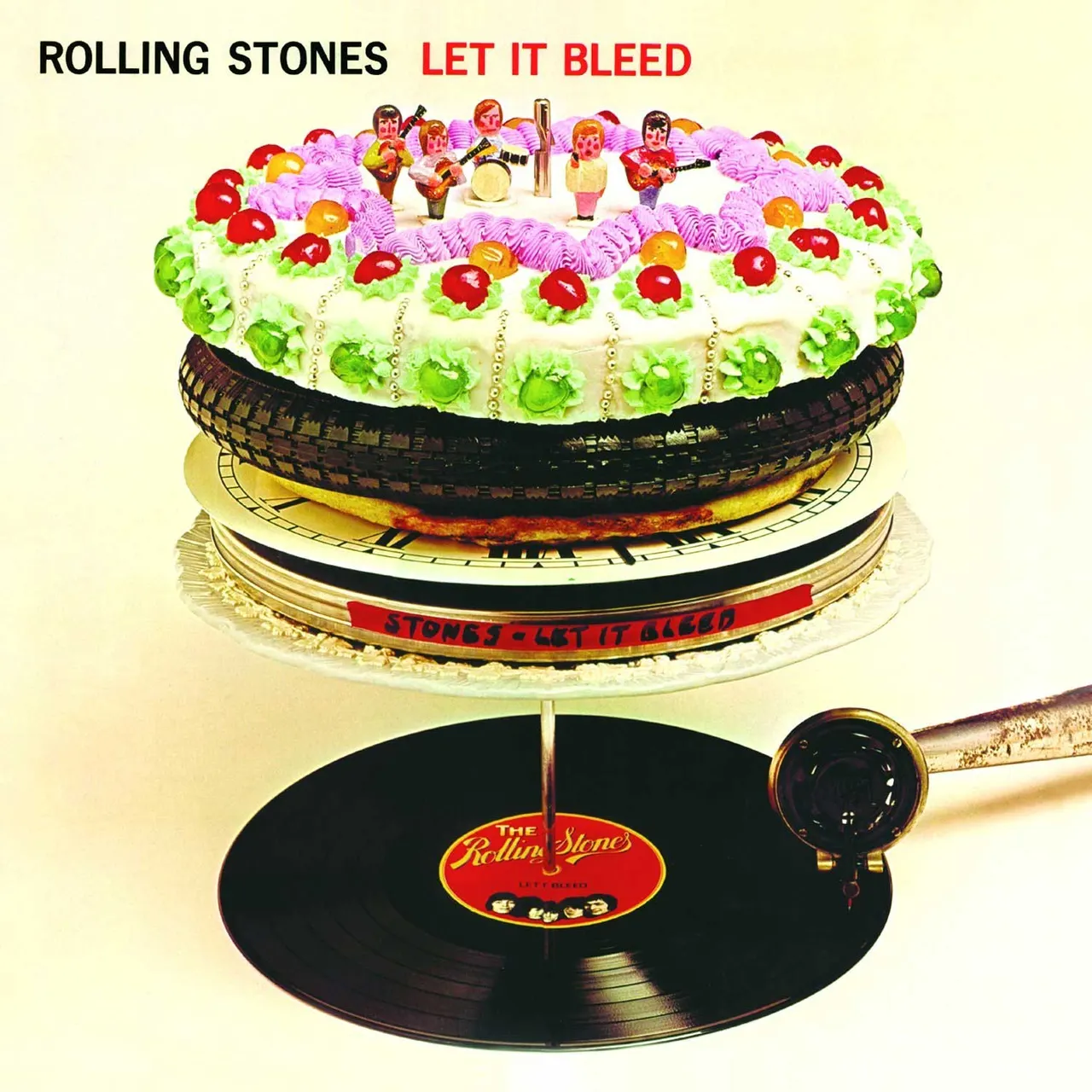
The work of our graphic artist was not only picked up by Dutch museums: Mick Jagger of the Rolling Stones was a big fan and wanted a print by MC Escher on their new album 'Let it bleed'. He wrote to him very personally, with a somewhat personal opening: “Dear Maurits, For quite a time now I have had in my possession your book and it never ceases to amaze me each time I study it! In fact, I think your work is quite incredible and it would make me very happy for a lot more people to see and know and understand exactly what you are doing. In March or April this year, we have scheduled our next LP record for release, and I am most eager to reproduce one of your works on the cover sleeve.”
MC Escher was not pleased with this personal approach. Moreover, he was a man of principle: the agreements he had already made with others took precedence. He did not want to accept the commission, and made that known—somewhat maliciously:
“Dear Sir, Some days ago I received a letter from Mr. Jagger asking me to design a picture or to place at his disposal unpublished work to reproduce on the cover-sleeve for an LP record. My answer to both questions must be no, as I want to devote all my time and attention to the many commitments made; I cannot possibly accept any further assignments or spend any time on publicity. By the way, please tell Mr. Jagger I am not Maurits to him, but
Very sincerely, MC Escher
Ouch! And so 'Let it bleed' didn't get any graphic, psychedelic artwork from MC Escher.
At home with MC Escher
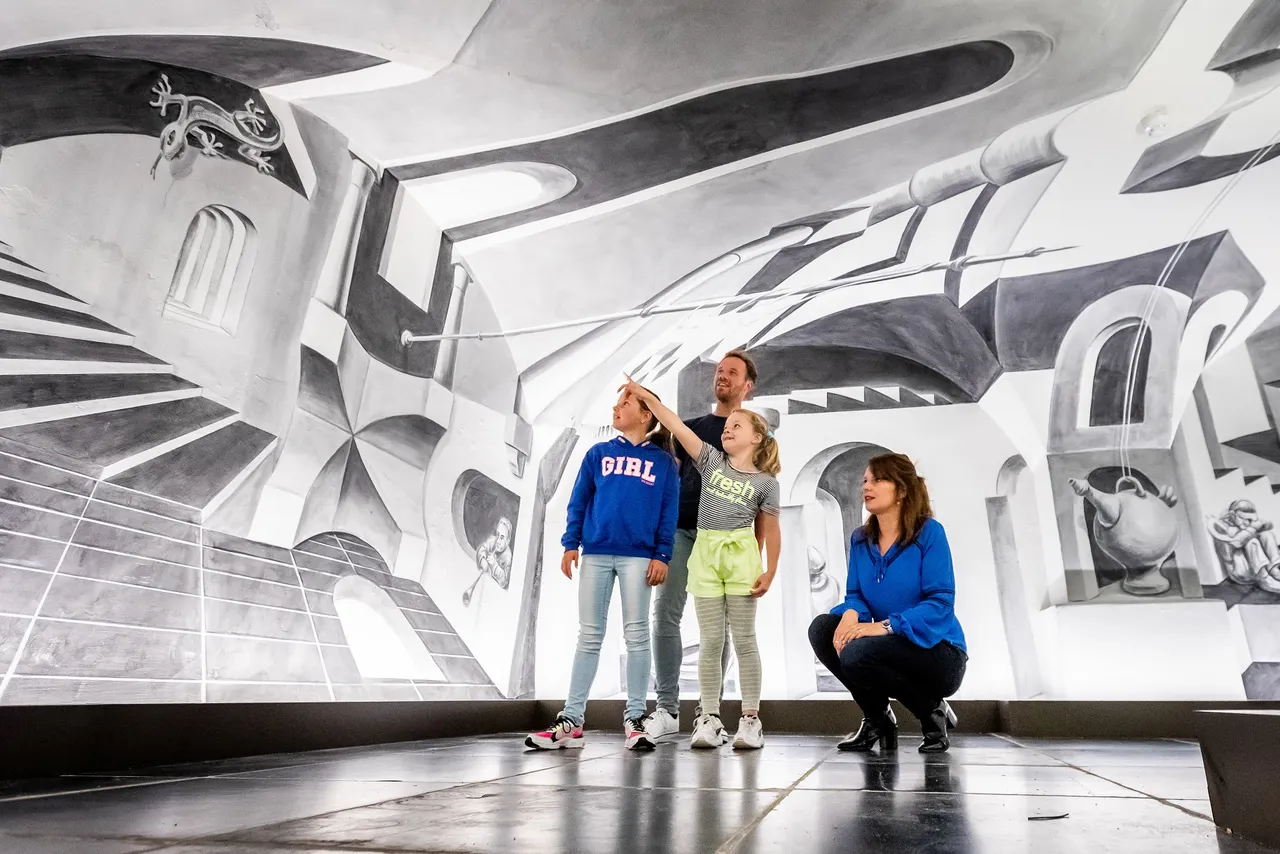
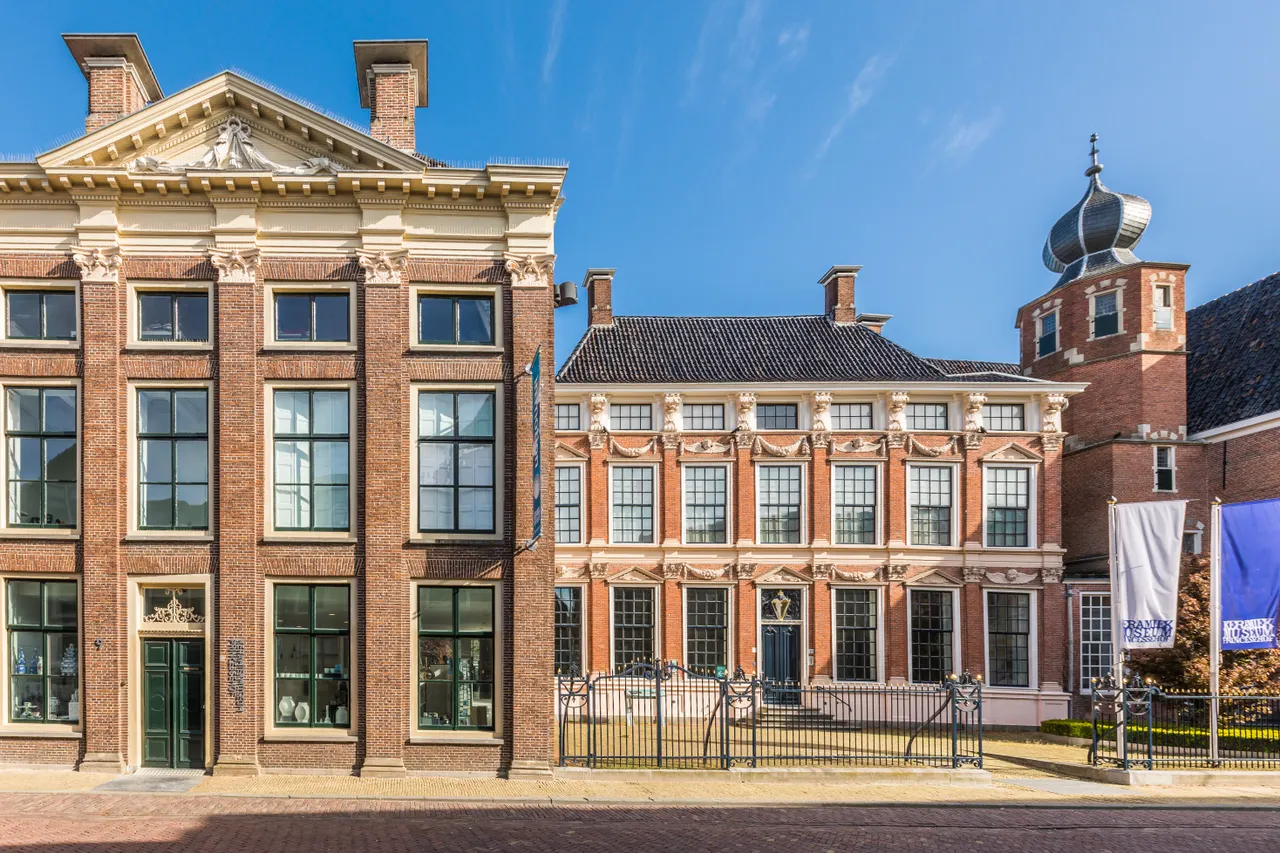
Escher died on March 27, 1972, in Hilversum, but his legacy lives on. Leeuwarden still honors him with pride. The Princessehof, where his life's journey began, houses an exhibition dedicated to his life and work. Here, visitors can be enchanted by the world of Escher and discover the wonders of his art. *At Home with MC Escher* clarifies the connection between Escher and the Princessehof through childhood photos, objects, and a documentary. Here, you will also discover the influence of ceramics on Escher's artistry. Curious? Pay a visit to the ceramics museum.